AI for Proposals: Cutting a 3-Hour Quote Down to 15 Minutes
TL;DR
Most proposals are ninety per cent the same words rearranged, yet owners and sales staff keep retyping them from scratch. AI proposal writing drafts the boring bulk in minutes from your own past quotes, so a person spends their time checking and tailoring instead of typing. The result is a three-hour quote done properly in about fifteen minutes.
Why does writing a proposal take three hours in the first place?
Because almost none of those three hours are spent thinking. They are spent hunting and retyping.
Picture how it really goes. A good enquiry comes in. Someone opens last month's proposal for a similar job, saves a copy, and starts swapping out the client name, the scope, the line items, the dates. They reformat the table that broke when they pasted it. They rewrite the intro paragraph so it sounds fresh. They dig through emails to find the exact price you quoted that one time. They check the terms haven't changed. Then they read it twice because a typo in a price is embarrassing.
That is the real job. It is admin dressed up as sales. And it is why proposals sit in someone's "I'll do it tonight" pile for three days while a competitor who replied the same afternoon walks off with the work.
The expensive part isn't the typing. It's the delay. Speed wins deals, and proposals are usually the slowest step in the whole chain.
What does AI proposal writing actually do here?
It writes the first draft for you, in your words, from your own material, so you start at eighty per cent done instead of a blank page.
Here is the bit people get wrong. AI on its own, asked cold to "write a proposal for a roofing job, " produces bland, generic mush. Nobody should send that. What changes everything is feeding it your stuff first: your last twenty winning proposals, your standard sections, your tone, your terms, your way of describing the work.
Once it has learned how you sell, it can take a short brief, "office fit-out, 40 desks, two meeting rooms, start in June", and produce a draft that reads like your business wrote it. The intro, the scope of work, the approach, the timeline, the standard terms, the next steps. All there, all in your voice, in under a minute.
You are not handing the job to a machine. You are handing it the typing and keeping the judgement. That is what augment means: the AI carries the repetitive load so your people do the part that needs a human brain.
See where AI fits in your business. Free.
A 45-minute audit. We map the highest-value automations and what they're worth in time and money. No pitch, no pressure.
Where does the time actually go, then?
Into the fifteen minutes that matter, instead of the two hours and forty-five that don't.
When the draft lands ready, the person's job shifts entirely. They read it once to check the AI understood the brief. They tweak the scope to match what was actually discussed on the call. They confirm the pricing pulls from the current rate card. They add the one personal line that shows they listened, "as you mentioned, we'll work around your busy season." Then they send it.
That's a real fifteen minutes of skilled attention, not three hours of clerical slog. And because it's quick, it goes out today, while the client is still keen, not next Tuesday.
We see the same pattern across very different trades. A property business sending tenancy and management proposals, a tyre operation quoting fleet servicing, different words, identical problem. The proposal is mostly the same every time, with a few variables. That shape is exactly what AI handles well and humans find tedious.
But won't the quality drop if a machine writes it?
Quality usually goes up, not down, because consistency improves and tired humans stop making mistakes.
Think about what causes a weak proposal. Someone rushing at 9pm forgets a section. They copy an old version with last year's terms. They leave the previous client's name in paragraph four. They quote a price from memory that's slightly off. Every one of those is a human-under-pressure error, and they cost you deals and sometimes money.
A trained drafting setup is consistent by design. It never forgets the terms section. It never leaves the wrong name in. It uses the current template every single time. The structure is solid before a person even looks at it.
Then the human adds the things only a human can: the read on the client, the judgement call on scope, the bit of warmth. You get the machine's consistency plus the person's instinct. That combination beats either one alone.
One firm rule, though: a person always checks before it goes out. Pricing especially. AI drafts the words brilliantly; the numbers get confirmed by someone who knows the job. Never let a quote go to a client unread. That's the line that keeps you safe.
How do you set this up without it becoming a six-month project?
You start small with one proposal type, prove it, then widen out, usually in days, not months.
You don't need to map your entire sales process. Pick the proposal you write most often. Gather a handful of recent ones that won. Agree your standard template and your pricing rules. That's the raw material. From there, the drafting setup learns your house style and is genuinely useful within a few days.
The mistake is trying to automate everything at once. Don't. Get one quote type flying, let your team feel the relief of fifteen minutes instead of three hours, then add the next type. Each one is easier because the foundations are already there.
And keep the human in the loop deliberately. This isn't a "press send and walk away" system. It's a "draft is waiting for you, give it ten minutes" system. That distinction is what keeps quality high and keeps your team trusting it.
What does this free your team up to actually do?
The follow-up, the relationship, and the next deal, the work that grows the business rather than just keeps it ticking.
Every hour spent retyping a proposal is an hour not spent calling the prospect, chasing the quote that's gone quiet, or having the conversation that uncovers a bigger job. Quoting faster doesn't just win the deal in front of you. It hands your people back the time to chase the three deals they've been letting slide.
That's the quiet win. Faster proposals mean more proposals out, more follow-ups done, fewer good enquiries dying in someone's tonight pile. The business runs a bit more on its own, and the owner stops being the bottleneck on every quote.
If your quotes take hours and go out late, that's exactly the kind of thing we look at in a free AI audit. We'll walk through how your proposals get written now and show you, plainly, where AI could give your team those hours back. No pressure, no jargon, just a practical look at whether it's worth doing for your business.
Live with passion & AI,
Brett
Running an event? Put practical AI on your stage.
Keynotes and workshops that send business owners home with a plan they can use Monday morning. No hype.
Frequently asked questions
Will an AI-written proposal sound generic or off-brand?
+
Not if it is trained on your past winning proposals and house style first, so it drafts in your tone with your standard sections rather than inventing language from scratch.
Can AI handle the pricing and numbers in a quote?
+
AI drafts the wording and structure fast, but pricing should still pull from your rate card or be confirmed by a person, so the figures are always checked before the proposal goes out.
How long does it take to set this up for my business?
+
A basic proposal drafting setup can be running within a few days once you gather a handful of past proposals and agree your standard template and pricing rules.
Does this replace my salespeople?
+
No, it removes the typing and reformatting so your team spends time on the relationship and the close, which is where deals are actually won.
What if the client asks for something unusual we have never quoted before?
+
The person reviewing the draft handles the unusual bits, while AI still saves time on the eighty per cent of the proposal that looks the same every time.
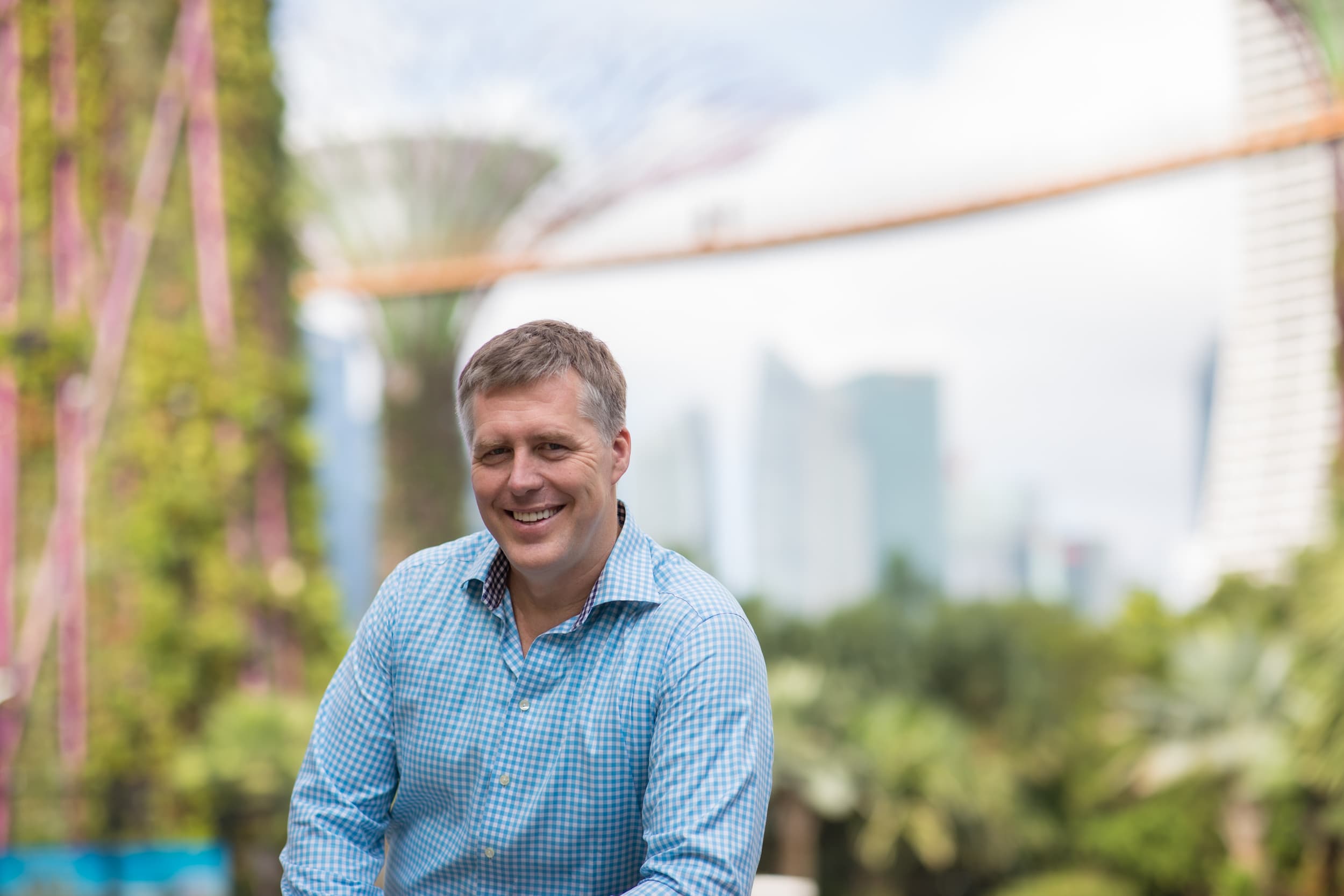
Brett is a four-time founder (Darra Tyres, Gladfish, EzyTrac, Anaboo) and the operator behind AIOS, Anaboo's AI Operating System. He writes from inside the build, installing AI in his own businesses first and reporting back what actually moves the numbers. Based between Singapore, the UK and Australia.