When AI Gets It Wrong: Building Accountability Into Automated Decisions
TL;DR
AI will get some calls wrong, the same way a new hire would. The difference between a manageable mistake and a genuine mess is whether you built human review and clear ownership into the system before you switched it on. AI accountability is not red tape; it is what lets you automate confidently and sleep at night.
Why does AI accountability matter more than getting AI to be perfect?
Because no system is perfect, and chasing perfection is how people get burned. The smarter goal is a system that fails safely and tells you when it has.
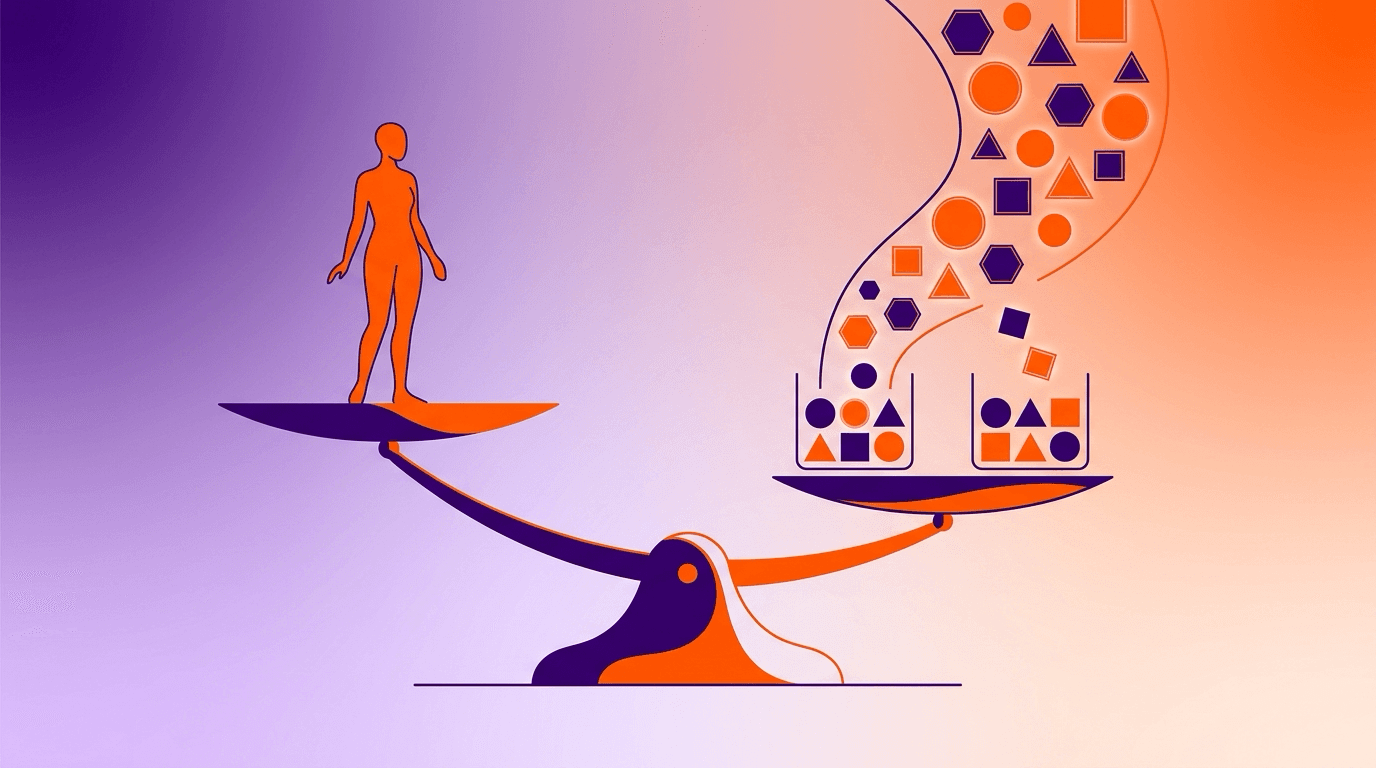
Think about how you'd treat a sharp new team member in their first month. You wouldn't hand them the company chequebook on day one. You'd give them real work, check their output, and widen their remit as trust builds. AI deserves the same treatment. It is fast, tireless and surprisingly good, and it will still occasionally do something daft with total confidence.
AI accountability is simply answering three questions before you automate anything: Who owns this decision? How do we know if it went wrong? And how do we put it right? Get those answers in place and a mistake becomes a Tuesday-afternoon fix rather than a phone call from an unhappy customer.
The owners who get this wrong are usually the ones who assumed the machine would just handle it. The ones who get it right treat AI like staff who happen to work at the speed of light.
Where do automated decisions actually go wrong?
Mostly at the edges, on the unusual cases the system hasn't really seen before. The everyday stuff it handles fine; it's the odd one out that trips it up.
A few real-feeling examples. An AI sorting inbound emails files an urgent complaint as routine because the customer was unusually polite. A pricing tool quotes off old supplier data and undercuts your margin. A follow-up agent emails a client who cancelled last week because nobody told it the deal was dead. None of these are dramatic. All of them are avoidable.
At Darra Tyres I think about it like a fitter who is brilliant at the common jobs but should still call the foreman over before doing something unusual to a customer's car. The skill isn't the problem. Knowing the limits of the skill is the whole game.
The pattern is consistent. AI is strong on volume and repetition, weak on context it was never given. So the rule of thumb is this: the more unusual, expensive or irreversible a decision, the more a human needs to be standing next to it.
What should AI decide on its own, and what needs a human?
Let the AI run free on tasks that are low-stakes, reversible and high-volume. Keep a human in the loop on anything involving money, contracts, or a customer relationship.
Here's a simple way to sort your work. Picture two questions: how bad is it if this goes wrong, and how hard is it to undo? Draughting a first-pass email reply is low harm and easy to undo, so let AI do it and have someone glance before it sends. Issuing a refund or changing a price is high harm and hard to undo, so the AI prepares it and a person approves it.
This is what we mean when we say AI should augment your team rather than run the place. The machine does the legwork, surfaces the decision, and shows its reasoning. The human makes the call that actually carries risk. You get most of the speed with almost none of the exposure.
In our own AIOS builds, anything that goes out the door to a customer or moves money lands in a review step first. A person sees it, approves or edits, and it goes. That single habit prevents the great majority of "how did that happen" moments.
See where AI fits in your business. Free.
A 45-minute audit. We map the highest-value automations and what they're worth in time and money. No pitch, no pressure.
How do you build human review in without killing the speed?
You review the few risky outputs, not every output. Done right, review adds minutes to your week, not hours, and it's where AI accountability stops being a slogan.
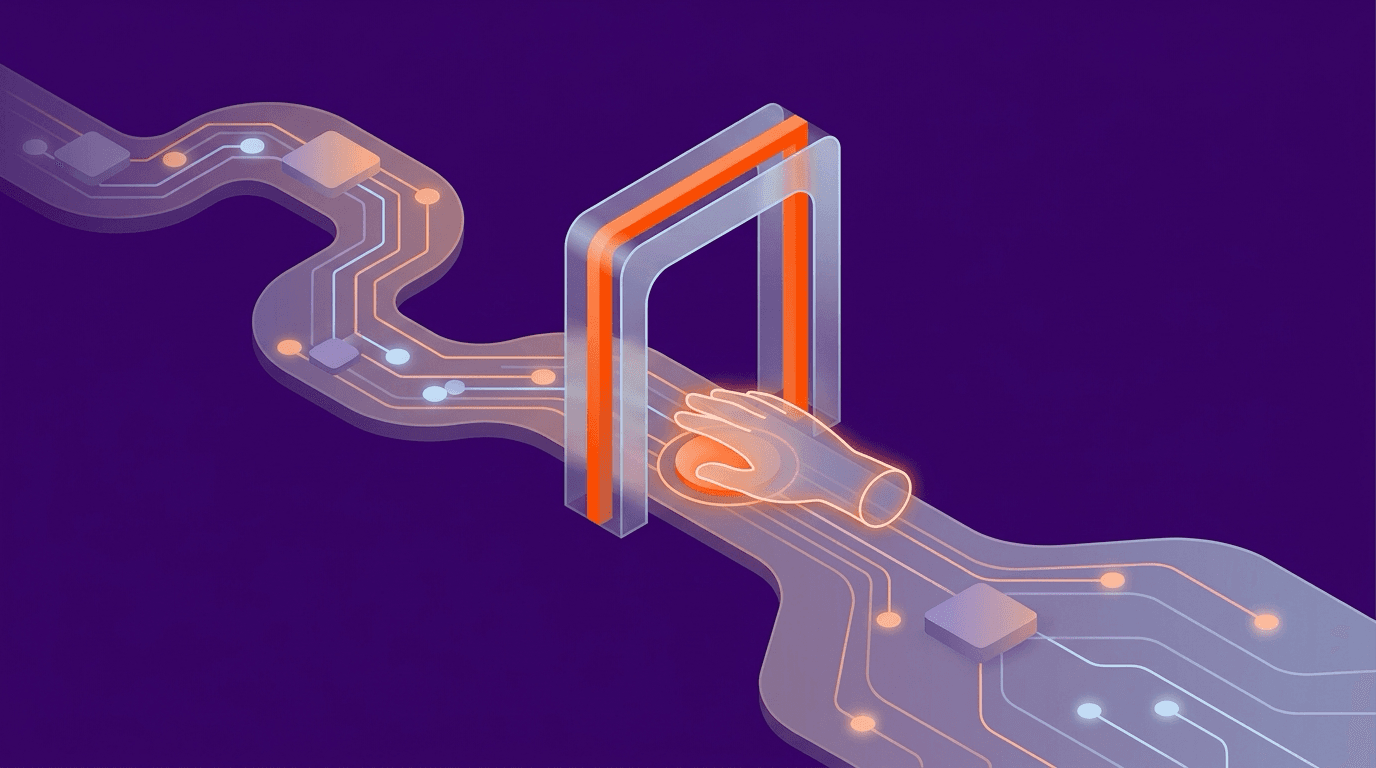
Start with three practical moves. First, an approval gate on the decisions that matter, so customer messages and financial actions wait for a human nod. Second, confidence flags, so when the AI is unsure it says so and routes that item to a person instead of guessing. Third, a weekly spot check, where someone reviews a handful of automated decisions to see if quality is holding.
You don't review everything, because that would defeat the purpose. You review the risky slice and a small sample of the rest. The AI handles ninety-odd percent untouched; your team's attention goes where it earns its keep.
Give people an easy way to flag a bad call too, ideally one click. When a fitter or an admin can tag "the AI got this wrong" in a second, those reports pile up into a clear picture of what to fix, and the system gets sharper every week.
Who is actually accountable when the AI gets it wrong?
You are, and so is whoever owns that process. The machine is a tool. Accountability stays with people, which is exactly why it has to be assigned on purpose rather than left to drift.
The dangerous phrase here is "the system did it." That's not an answer your customer will accept, and it shouldn't be one you accept either. Every automated process should have a named owner who is responsible for its decisions, just as a department head owns their team's output.
That ownership needs three things to be real. A record of what the AI decided and why, so you can trace any decision after the fact. A clear escalation route, so the owner knows when something has gone sideways. And the authority to pause or change the automation when it misbehaves. Without those, "ownership" is a name on a chart and nothing more.
This is also why "AI made me do it" never holds up with a regulator, a court or a client. The choice to automate was yours. The accountability rides along with it, and the businesses that accept that openly are the ones customers end up trusting most.
How do you build trust with customers and staff while automating?
By being honest about where AI is involved and keeping a human reachable. People forgive a mistake far more readily than they forgive feeling fobbed off by a machine.
With customers, a light touch works. You don't need a disclaimer on every email, but if someone asks to speak to a person, the answer should always be yes and the route should be short. The fastest way to lose trust is to trap people in an automated loop with no exit.
With your own team, the message that matters is that AI is here to take the grind off their plate, not to mark their homework or replace them. When staff see automation handling the repetitive slog so they can do the work that needs a human, they stop fearing it and start improving it. They become your best source of "here's where it's getting things wrong."
That's the quiet payoff of doing accountability properly. It isn't just risk control. It's how AI earns its place in a business that people, customers and staff alike, actually want to stick with.
If you're weighing up where AI could genuinely help and where it needs a human hand on the wheel, that's exactly the conversation we enjoy. Book a free AI audit with Anaboo and we'll walk through your processes, point out the safe wins, and show you where to build the guardrails first. No pressure, no jargon, just a clear look at what's worth doing.
Live with passion & AI,
Brett
Need an AI operator inside your team?
Place a Chief AI Officer, an AI Officer, or embed an Anaboo Forward Deployed Engineer for 3–6 months.
Frequently asked questions
What does AI accountability actually mean for a small business?
+
It means a named person owns every automated decision, you can see why the AI did what it did, and there is a clear way to catch and fix mistakes before they reach a customer.
Should I let AI make decisions on its own at all?
+
Yes, for low-risk, reversible, high-volume tasks like drafting replies or flagging overdue invoices; keep a human in the loop for anything that touches money, contracts, or a customer relationship.
How do I know when the AI has got something wrong?
+
Build in checks: confidence flags on uncertain outputs, sample reviews of automated work each week, and a one-click way for staff to report a bad call so patterns surface quickly.
Doesn't human review defeat the point of automating?
+
No. The AI still does the heavy lifting; the human checks the edge cases. Review of the few risky outputs is far faster than doing every task by hand.
Who is responsible if the AI makes a costly mistake?
+
You are, and so is the person who owns that process. AI is a tool, not a scapegoat, which is exactly why accountability has to be designed in from day one.

Brett is a four-time founder (Darra Tyres, Gladfish, EzyTrac, Anaboo) and the operator behind AIOS, Anaboo's AI Operating System. He writes from inside the build, installing AI in his own businesses first and reporting back what actually moves the numbers. Based between Singapore, the UK and Australia.