Augment, Don't Replace: Human-in-the-Loop as an Ethical Stance, Not Just a Safety One
TL;DR
Human-in-the-loop AI is usually pitched as a safety net to catch mistakes. The stronger argument is ethical: keeping a person in the decision protects accountability, keeps your team growing, and reflects a choice about whose judgement runs your business. AI should augment your people, not quietly remove them.
What does human-in-the-loop AI actually mean?
It means a person stays in the decision before the work hits the real world. The AI does the heavy lifting, drafting the email, sorting the invoices, flagging the at-risk customer, and a human reviews, approves, or overrides before anything reaches a client, a supplier, or your bank account.
Most people hear that and think "fine, it's a safety check." And it is. A human catching a wrong number on an invoice or a tone-deaf reply to an upset customer is worth a lot. But the safety framing sells the idea short. It treats the human as a backstop, a spell-checker for the machine.
I want to argue something different. Keeping a human in the loop is an ethical stance about how you run a business, not just a technical guardrail. Once you see it that way, you make better decisions about where to draw the line.
Why is the safety argument not enough on its own?
Because safety alone leads you somewhere uncomfortable. If the only reason a person reviews the AI's work is to catch errors, then the obvious goal becomes making the AI good enough that you no longer need the person. The human is a temporary cost you're trying to engineer away.
Run that logic forward and you end up with a business that treats its own people as a bug to be fixed. Every improvement in the model is a reason to pull another person out of the chain. That might look efficient on a spreadsheet. It hollows out the place over time.
The ethical framing flips it. You keep a human in the loop not because the AI might be wrong, but because someone should own the decision, and because the work itself is how your team stays sharp. Those reasons don't disappear when the model gets better. They hold.
Who is accountable when the AI gets it wrong?
A person, always, and that's the heart of the ethical case. When an AI sends a quote with the wrong figure, or replies to a complaint in a way that makes it worse, "the system did it" is not an answer your customer will accept. Nor should it be.
Human-in-the-loop AI keeps accountability where it belongs. There's a named person who looked at the work and said yes. That changes behaviour. People are more careful about what they put their name to than about what an anonymous process spits out.
Think about the moments in your own business that carry real weight. Pricing. A redundancy letter. A response to a furious client. A payment going out the door. You wouldn't want any of those happening with nobody answerable for them. The machine can prepare the work. A human should still own the call.
We run this in our own businesses. At EzyTrac, AI can draft a tenant notice or pull together the numbers for a landlord update, but a person signs it off before it goes out. The draft saves hours. The sign-off keeps a human accountable for what reaches the customer.
See where AI fits in your business. Free.
A 45-minute audit. We map the highest-value automations and what they're worth in time and money. No pitch, no pressure.
How does keeping humans in the loop augment your team rather than shrink it?
It augments them by handing over the grind and keeping the judgement. The AI takes the repetitive drafting, sorting, and chasing. Your people spend their time on the calls that need a brain and a conscience, and they get better at exactly those calls because that's where their attention now goes.
That's the difference between augmenting a team and replacing one. Replacing says: the person was a cost, the machine is cheaper, done. Augmenting says: the person's judgement is the valuable part, so let's clear away everything that stops them using it.
This matters for the kind of business you become. A team that's been augmented gets sharper and more confident with the tools. A team that's been hollowed out loses the very people who understood why things were done a certain way. When something unusual happens, and it always does, you want those people still in the room.
There's a practical edge too. The person reviewing the AI's output is learning what the AI is good at and where it slips. That knowledge is how you safely widen what you automate next. Pull the humans out entirely and you lose the feedback that makes the whole thing trustworthy.
Where should you actually draw the line?
Draw it by consequence, not by task. The honest worry with human-in-the-loop is that it becomes a rule that everything gets checked, which is slow, expensive, and defeats the point. So don't do that.
Sort your work by what happens if it goes wrong. A blog draft nobody publishes without reading? Let the AI run free; the human gate is already there at publish time. An internal summary of yesterday's orders? Low stakes, let it fly. A price quote to a customer, a legal notice, money leaving the account, a reply to someone who's already angry? Those get a human gate, every time, no exceptions.
The skill is putting the human where the stakes are highest and trusting the machine where they're not. That's not a fixed list, it's a judgement you make about your own business, and it's exactly the judgement an owner should be making rather than outsourcing to whoever sold you the software.
When we install AIOS into a business, this is one of the first conversations we have. Which decisions must keep a named human? Where's the approval gate? It's built into the system from day one, not bolted on after something goes wrong.
Does the ethical line ever shift as the AI improves?
The safety line shifts; the ethical line mostly doesn't. As a model gets more reliable, you can reasonably trust it with more of the lower-stakes work, that's the safety argument earning its keep, and it's fine.
But the decisions that need a human because someone should be accountable, or because that's how your team keeps its edge, those don't move just because the model got a point better on some benchmark. A redundancy letter still needs a human. A furious customer still deserves a person. The reason was never "the AI might be wrong." The reason was about who we want making the call.
That's why it's worth being clear, up front, about which gates are there for safety and which are there on principle. Mix them up and you'll quietly erode the principled ones the moment the tech looks good enough, and you'll only notice what you lost much later.
If you're weighing up where AI fits in your business and you'd like a clear-eyed view of where a human should stay in the decision, we offer a free AI audit. No pitch, no jargon, just a practical look at which of your tasks AI can take off your plate and which ones should keep a person firmly in the loop.
Live with passion & AI,
Brett
Host a podcast? Have Brett on as a guest.
Straight talk on implementing AI in real SMEs, no jargon, plenty of receipts from the businesses we run.
Frequently asked questions
What does human-in-the-loop AI actually mean?
+
It means a person reviews, approves or can override the AI before its work has real-world consequences, so the machine drafts and the human decides.
Isn't keeping a human in the loop just slower and more expensive?
+
Not if you put the human where the stakes are highest; you automate the routine and reserve human judgement for the moments that carry real consequences.
Does human-in-the-loop mean my team checks everything the AI does?
+
No, that would defeat the point; you draw a line by consequence, letting low-risk tasks run freely while customer, money and legal decisions get a human gate.
How is the ethical case different from the safety case?
+
Safety asks whether the output is correct; ethics asks who stays accountable and whether your people keep growing rather than being quietly removed from the work.
Where should an SME start with human-in-the-loop AI?
+
Map your recurring tasks, mark which ones carry real consequences if they go wrong, and put a named person at each of those gates before you automate anything else.
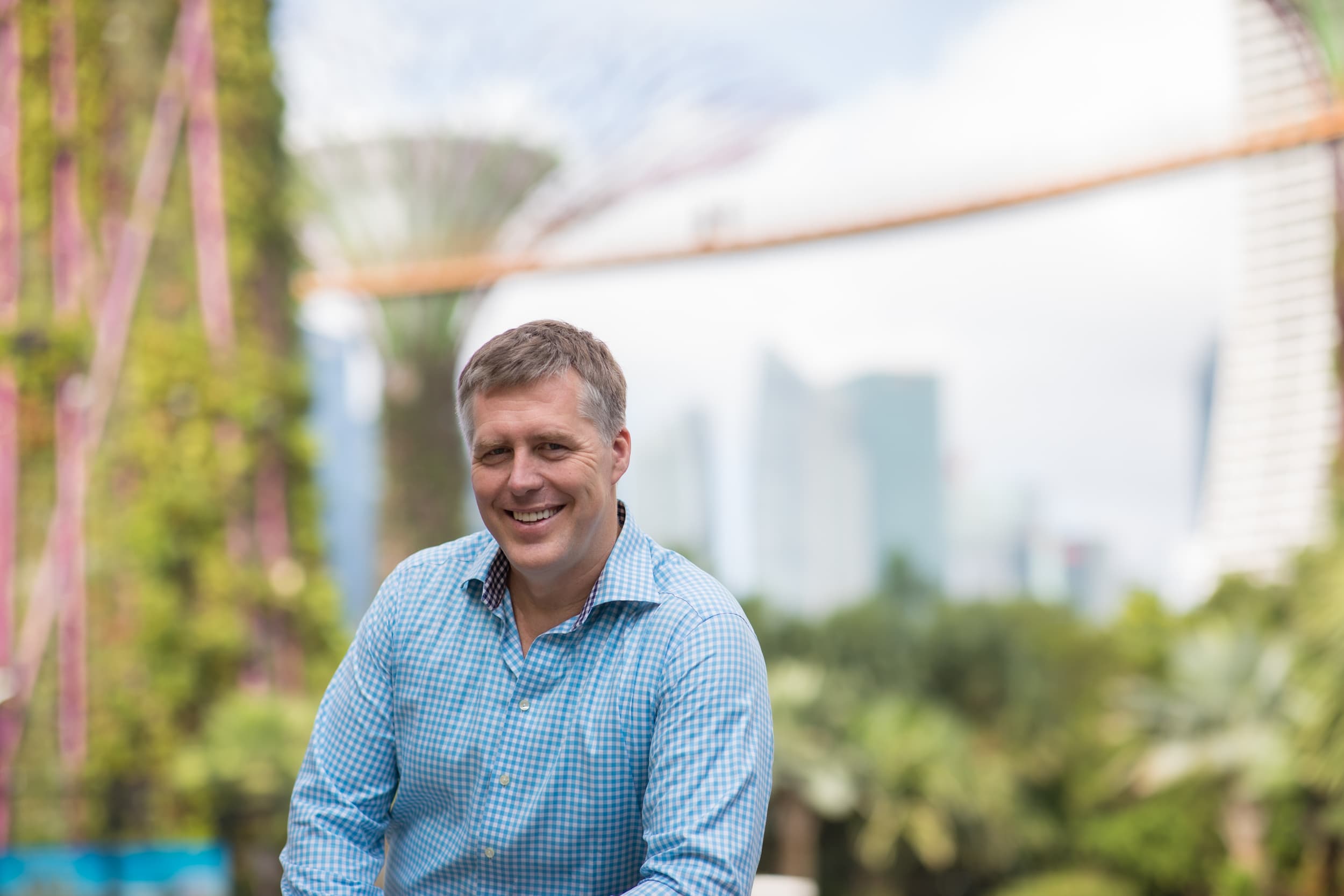
Brett is a four-time founder (Darra Tyres, Gladfish, EzyTrac, Anaboo) and the operator behind AIOS, Anaboo's AI Operating System. He writes from inside the build, installing AI in his own businesses first and reporting back what actually moves the numbers. Based between Singapore, the UK and Australia.