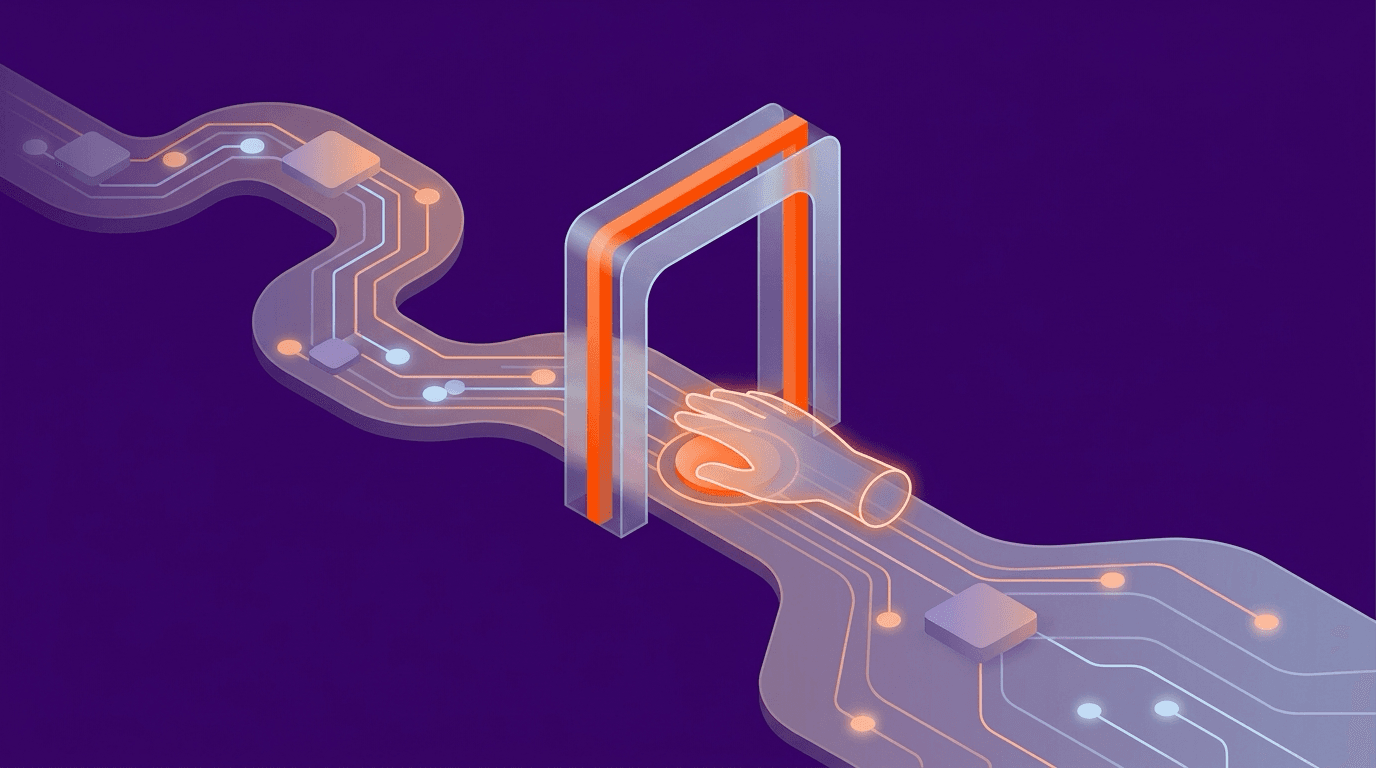
Deepfakes and Your Brand: Protecting Your Name in the AI Era
TL;DR
Deepfakes can now copy your face, voice and brand well enough to fool your own customers and staff. The good news: most deepfake brand protection comes down to simple verification habits, not expensive software. Here is how to protect your name, your people and your money.
What is a deepfake, in plain terms?
A deepfake is AI-generated video, audio or imagery that convincingly imitates a real person. The technology studies a few minutes of footage or a short voice clip, then produces something new that the real person never said or did.
A couple of years ago this needed a specialist and a powerful computer. Now anyone can clone a voice from a 30-second clip lifted off LinkedIn or a podcast, and produce a video that passes a quick glance. The barrier to entry has collapsed.
For most owners I talk to, the worry is not some Hollywood-grade hoax. It is the everyday version: a cloned voice on a phone call, a fake video of you endorsing something dodgy, or a scam advert wearing your logo. Those are cheap to make and they work.
Why should an SME owner care about this?
Because you are an easier target than a big brand, not a harder one. Large companies have legal teams, verification processes and PR people on standby. You probably do not, and scammers know it.
Think about how much of your face and voice is already public. Your website video, your conference talk, your social posts, your podcast appearances. That is raw material. A scammer needs surprisingly little of it.
The two scams I see coming are simple. One: a cloned voice or video of you telling your finance person to pay an invoice urgently, or to change a supplier's bank details. Two: someone using your brand and your face to run fake ads or fake testimonials, so your customers get burned and blame you.
Either one costs you money or trust, and trust is the harder one to win back.
How do deepfake scams actually play out?
They almost always rely on urgency and authority, not clever technology. The fake is just the costume; the trick is the pressure.
Picture this. Your bookkeeper gets a voice note that sounds exactly like you, on a bad line, saying you are in a meeting and need a payment pushed through before close of business. Everything about it feels right because the voice is right. The urgency stops them ringing you to check. That is the whole con.
At my property business EzyTrac and at Darra Tyres, the same principle applies that we drum into the team: an unusual money request always gets verified through a second channel, no matter who appears to be asking. A familiar voice is no longer proof of anything. That single rule defuses most of these attacks before they start.
The customer-facing version is just as ugly. A fake advert using your name promises a deal you never offered. People click, lose money, and remember your brand as the one that scammed them.
See where AI fits in your business. Free.
A 45-minute audit. We map the highest-value automations and what they're worth in time and money. No pitch, no pressure.
What can you actually do to protect your brand?
Start with verification rules, because they cost nothing and stop the most expensive attacks. Then add monitoring and a response plan.
Here is a practical order to work through:
- Set a money-movement rule. Any payment, bank-detail change or unusual request gets confirmed through a second, separate channel, a callback to a known number, never the one in the message. Make it a rule that no one is allowed to skip, including you.
- Agree a verbal safe word. A simple word your senior people can ask for on a suspicious call. A cloned voice will not know it.
- Brief your team. Most staff have no idea voice cloning is this good. A ten-minute talk-through turns them from your weakest point into your best detector.
- Watch your name. Set up alerts for your brand and your own name across search and social so you hear about a fake fast, not from an angry customer.
- Tell customers where you really live. Make clear which channels are genuinely yours, so a fake advert stands out as off.
None of this requires a big budget. It requires deciding the rules and making them stick.
Can AI help defend against AI?
Yes, but as a watchman, not a magic shield. Detection tools that claim to spot deepfakes are improving, yet they lag behind the tools that make the fakes, so I would never rely on one to catch everything.
Where AI genuinely helps is the boring, constant work humans are bad at. It can monitor mentions of your brand around the clock, flag a suspicious advert or a cloned account the moment it appears, and route it to a person to judge. This is where we use AI to augment a small team: the system never sleeps, never gets bored, and escalates only what matters.
The judgement stays human. AI tells you something looks wrong and gathers the evidence; a person decides what it means and what to do. That division of labour is the honest, workable version of "AI defending your brand".
What if a deepfake of you or your brand appears?
Act fast and calmly, and have the steps written down before you ever need them. Panic and silence both make it worse.
Capture the evidence first, screenshots, links, the file itself, because fakes get taken down or edited. Report it to the platform hosting it; most now have impersonation and synthetic-media reporting routes. Then get ahead of it with your own people: tell staff and customers directly through your real channels that a fake is circulating and what genuine contact from you looks like. If it has caused real financial or reputational harm, take legal advice early.
The businesses that come through this well are the ones who decided their response in advance. A half-page plan, agreed today, beats a frantic afternoon when it actually happens.
If you would like a clear-eyed look at where your brand and your people are exposed, we offer a free AI audit. No jargon, no scare tactics, just a practical view of the simple habits and light-touch monitoring that would protect your name. Book one whenever it suits you.
Live with passion & AI,
Brett
Running an event? Put practical AI on your stage.
Keynotes and workshops that send business owners home with a plan they can use Monday morning. No hype.
Frequently asked questions
What exactly is a deepfake?
+
A deepfake is AI-generated video, audio or imagery that convincingly imitates a real person's face or voice, making them appear to say or do things they never did.
Why would anyone target a small business with a deepfake?
+
Small firms are easier marks than big brands because they rarely have verification processes, so scammers clone an owner's voice to authorise payments or impersonate a brand to trick customers.
Can software reliably detect deepfakes?
+
Not consistently yet, because detection tools lag behind generation tools, so your strongest protection is human verification habits rather than relying on a detector to catch everything.
What should I do if a fake version of me or my brand appears online?
+
Capture evidence with screenshots and links, report it to the platform, warn your customers and staff directly, and seek legal advice if it causes real harm.
Does protecting against deepfakes need expensive technology?
+
No, the biggest wins come from simple verification rules and staff awareness; technology helps monitor for misuse but the habits do most of the work.

Brett is a four-time founder (Darra Tyres, Gladfish, EzyTrac, Anaboo) and the operator behind AIOS, Anaboo's AI Operating System. He writes from inside the build, installing AI in his own businesses first and reporting back what actually moves the numbers. Based between Singapore, the UK and Australia.